




Physical Therapy for Balance Disorders: How It Helps
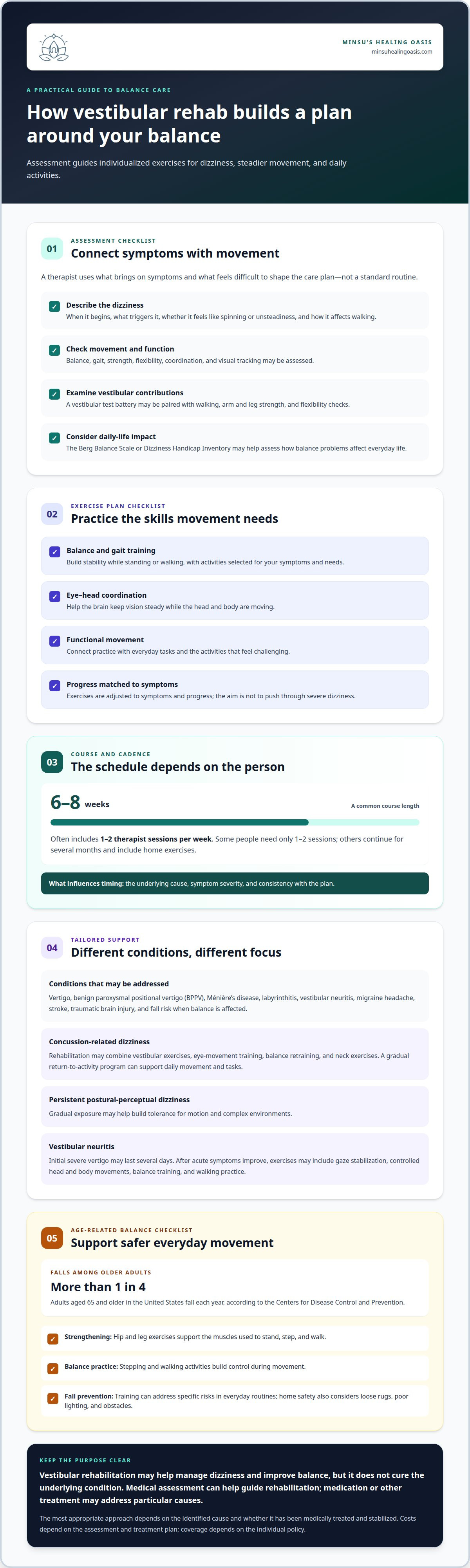
What if dizziness and unsteadiness could be addressed by retraining how your body responds to movement? Physical therapy for balance disorders may include vestibular rehabilitation, a specialized approach that uses personalized exercises to help the brain adapt to changes in the inner ear’s balance signals.
If turning your head, walking, or moving through busy spaces brings on dizziness, it can feel unsettling and limiting. Vestibular rehabilitation may help manage symptoms and improve balance, but it does not cure the underlying cause. Understanding what contributes to your symptoms is an important part of deciding what support may help.
This article explains how vestibular rehabilitation works, what an assessment and exercise plan may involve, and which symptoms and conditions are commonly associated with balance disorders. You’ll also learn how care can be tailored to your needs, helping you understand possible steps toward steadier movement and greater confidence in daily life.
Table of Contents
What Is Vestibular Rehabilitation Therapy?
Vestibular rehabilitation is specialized physical therapy that uses individualized exercises to address dizziness and balance problems. A therapist assesses movement and coordination, then tailors the plan to your symptoms and their causes.
Physical Therapy Assessment and Treatment Planning
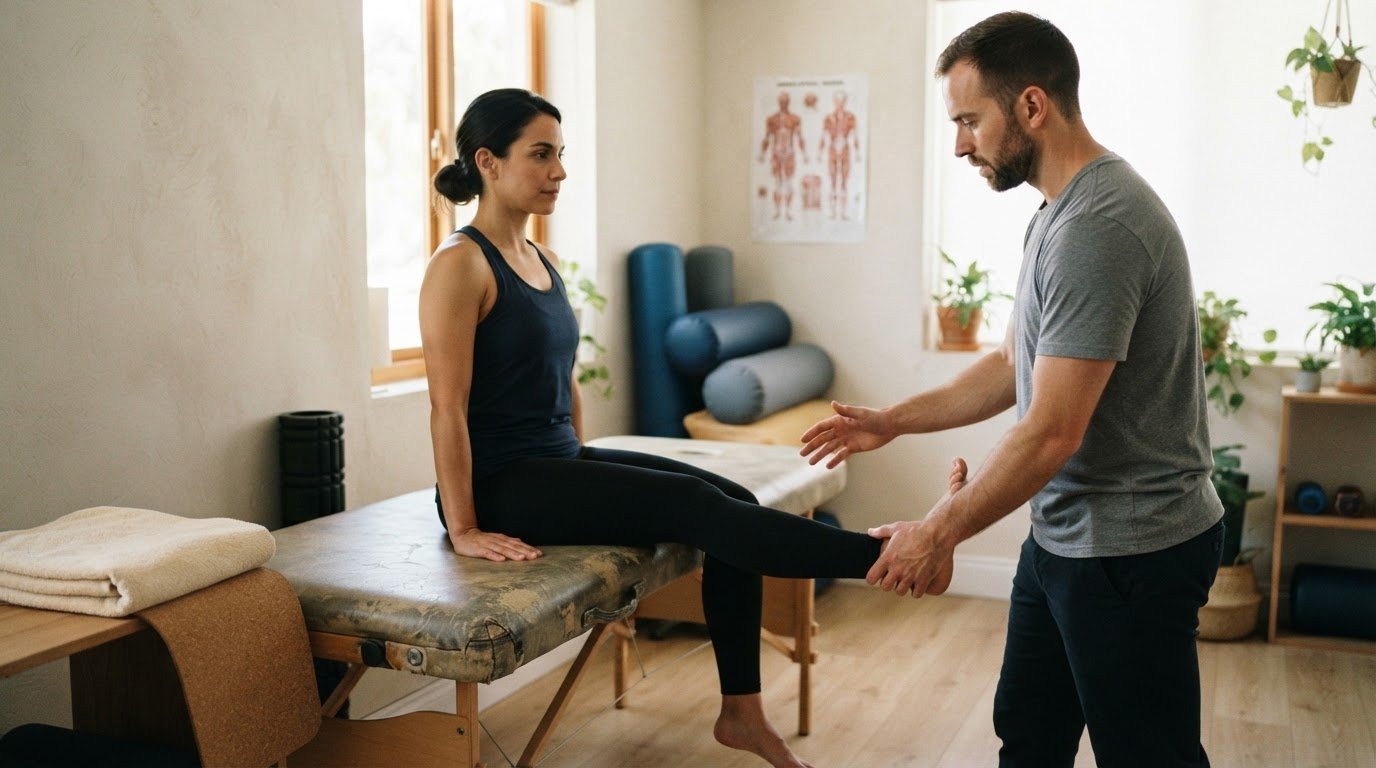
An assessment connects your symptoms with the movements and daily activities that feel difficult. The therapist may ask when dizziness begins, what triggers it, whether you feel spinning or unsteadiness, and how symptoms affect walking. They may also assess balance, gait, strength, flexibility, coordination, and visual tracking. These findings guide personalized exercises instead of a standard routine.
Physical therapy for balance disorders may help manage dizziness and improve balance, but it does not cure an underlying condition. Medication or other treatment may address particular causes, while rehabilitation focuses on movement and the body’s response to balance signals. The most appropriate approach depends on the identified cause and whether it has been medically treated and stabilized.
Vestibular and Balance Assessments
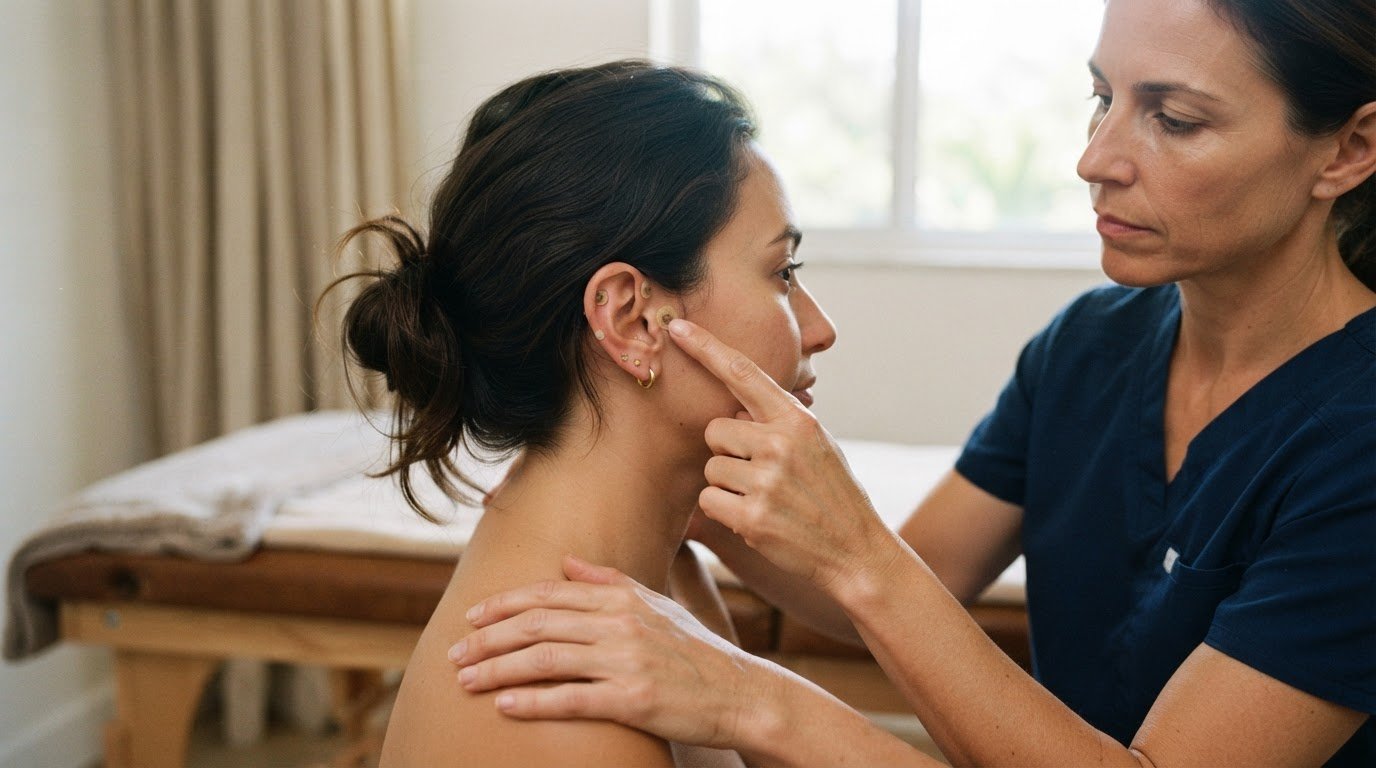
A vestibular assessment examines how the inner ear and brain contribute to balance, while movement tests show how symptoms affect function. A vestibular test battery may be used alongside an examination of walking, arm and leg strength, and flexibility. A therapist may also use the Berg Balance Scale or Dizziness Handicap Inventory to assess how balance problems affect daily life.
Dizziness can have different causes, so medical assessment can help guide rehabilitation. Referral requirements may depend on state rules and insurance. Costs depend on the assessment and treatment plan, while coverage depends on the individual policy. When considering care, look for physical therapy experience with vestibular and balance assessment, individualized planning, and exercises guided by your symptoms.
Vestibular rehabilitation as specialized physical therapy
Vestibular rehabilitation is specialized physical therapy that uses tailored exercises to improve balance and reduce dizziness. It helps the nervous system adapt to changes in the vestibular system, which contributes to sensing movement and orientation.
Specialized Vestibular Therapy Goals
The goal is to improve how your eyes, inner ears, and body coordinate during movement. A therapist selects exercises according to your symptoms and activity needs, rather than using one routine for everyone. Balance and gait training can build stability while standing or walking, while eye-head coordination exercises help the brain keep vision steady during motion. Functional movements connect practice with everyday tasks.
A common course lasts six to eight weeks, often with one or two therapist sessions per week. Some people need only one or two sessions, while others continue for several months and include home exercises. The underlying cause, symptom severity, and consistency with the plan all influence the schedule.
Conditions Addressed by Vestibular Rehabilitation
Vestibular rehabilitation may support people with vertigo, benign paroxysmal positional vertigo (BPPV), Ménière’s disease, labyrinthitis, vestibular neuritis, migraine headache, stroke, or traumatic brain injury. It may also help address fall risk when balance is affected. The treatment focus differs by condition, so exercises are tailored to symptoms, age, and activity level.
For concussion-related dizziness and balance problems, rehabilitation may combine vestibular exercises, eye-movement training, balance retraining, and neck exercises. A gradual return-to-activity program can help restore the ability to manage movement and daily tasks. For persistent postural-perceptual dizziness, gradual exposure may help build tolerance for motion and complex environments.
Vestibular Neuritis Recovery
Vestibular neuritis affects vestibular function and can cause intense spinning; initial severe vertigo may last several days. Once acute symptoms improve, vestibular rehabilitation can help the brain adapt to changes in balance signals. Exercises may include gaze stabilization, controlled head and body movements, balance training, and walking practice.
The therapist adjusts these activities to your symptoms and progress. The aim is to improve stability and visual control during movement, not to push through severe dizziness. A personalized plan can also help restore confidence with daily activities as the nervous system adapts.
What Are Balance Problems?
Balance problems occur when the brain has difficulty combining signals from the inner ear, vision, and muscles and joints. This can affect your position and stability while standing, walking, turning your head, or bending to reach.
More than one out of four adults aged 65 and older in the United States falls each year, according to the Centers for Disease Control and Prevention. A fall can make everyday movement feel less secure, so age-related balance training focuses on safer mobility and fall prevention.
Age-Related Balance Training and Fall Prevention
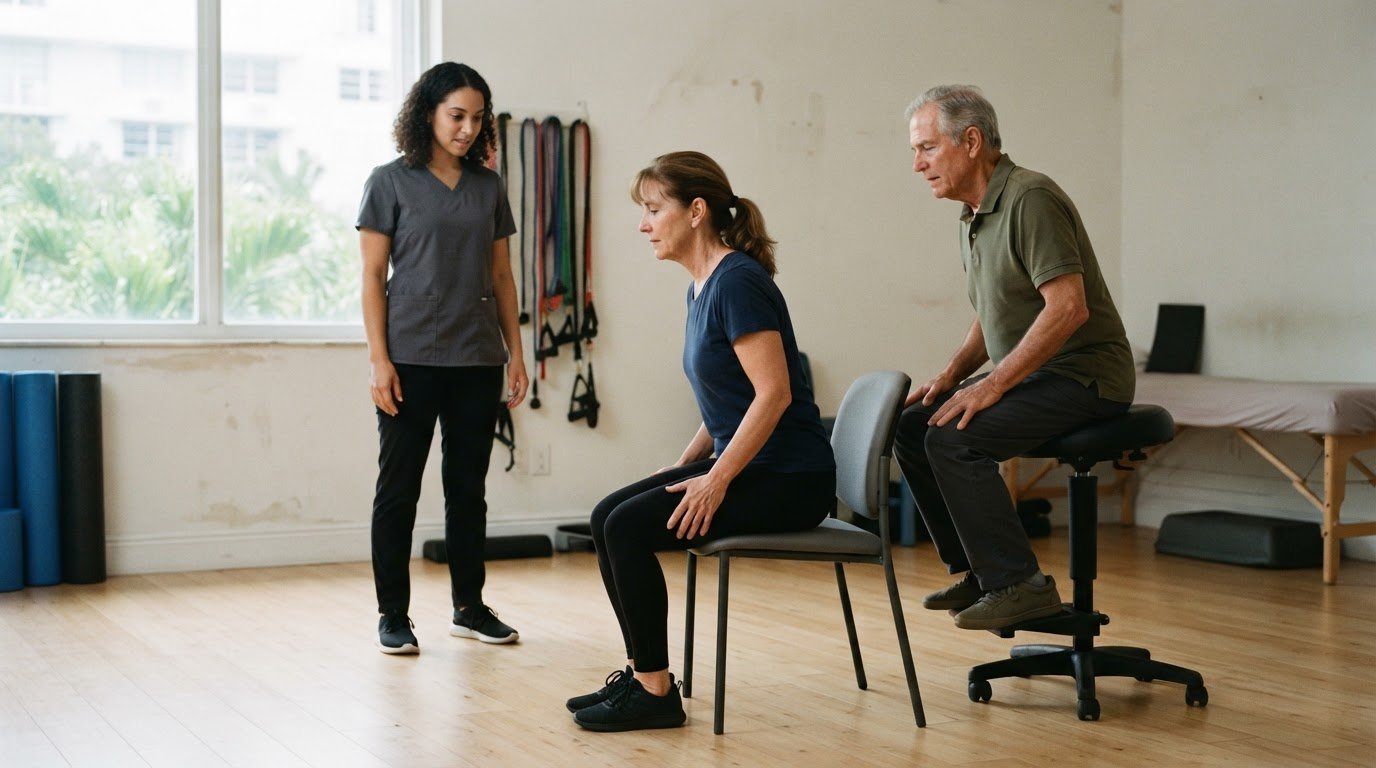
A physical therapist can shape training around the movements that challenge your stability, such as stepping, walking, or changing direction. Hip and leg strengthening, flexibility work, and walking practice can support balance during daily activities. The therapist can also identify how reduced strength or difficulty shifting position affects movement.
Strengthening: Hip and leg exercises support the muscles used to stand, step, and walk.
Balance practice: Stepping and walking activities build control during movement.
Fall-prevention strategies: Training can address specific risks in everyday routines.
Safety education also considers the home. Loose rugs, poor lighting, and obstacles can create fall risks along familiar walking routes. A therapist can discuss how these hazards relate to your movement and balance, then incorporate relevant fall-prevention strategies into the care plan.
Preventing Balance Problems
Prevention starts with noticing changes in everyday tasks, such as feeling unsteady when rising, walking, or reaching. These examples help a therapist understand which positions and movements need attention. An individualized plan can then combine strength work, walking practice, and balance training to support safer activity.
Balance depends on several body systems working together, so a change in one area can affect overall stability. For example, difficulty processing inner-ear signals may make turning while walking feel less steady. A therapist can assess these functional challenges and adapt exercises as your ability and needs change.
Causes and symptoms of vestibular disorders
Vestibular disorders affect the inner ear or the brain’s processing of movement and spatial orientation. They can cause vertigo, unsteadiness, and increased fall risk, with symptoms varying by condition.
Common Balance Disorders and Symptoms
Benign paroxysmal positional vertigo (BPPV), Ménière’s disease, and vestibular neuritis are common balance disorders. Symptoms may include spinning sensations, dizziness, or unsteadiness while standing or moving. These experiences can make walking and ordinary daily activities feel less steady.
Persistent postural-perceptual dizziness (PPPD) involves ongoing imbalance or sensations of motion lasting three months or longer. You may feel unsteady even without a clear spinning sensation. The pattern of symptoms and the movements that bring them on help distinguish different balance concerns and guide care.
BPPV Symptoms and Repositioning
BPPV can cause brief vertigo linked to changes in head position, such as turning or lying down. The sensation of spinning can disrupt balance and make movement feel unpredictable. A physical therapist evaluates the symptoms and may perform head-and-body repositioning maneuvers.
These maneuvers guide displaced inner-ear crystals back toward their proper location. The therapist selects and performs the movement based on the assessment, rather than treating every episode of dizziness as BPPV. Identifying the cause matters because different vestibular conditions call for different approaches.
For PPPD, physical therapy may use gradual exposure to movements or environments that trigger symptoms. A therapist can tailor activities to your motion sensitivity and tolerance for complex surroundings, adjusting the challenge to support steadier function. This approach differs from the repositioning maneuvers used for BPPV.
Dizziness with sudden one-sided weakness or numbness, difficulty speaking, double vision, or vision loss warrants immediate care. A severe or unusual headache, fainting, chest pain, or sudden inability to walk also calls for immediate care. These symptoms need urgent attention, not routine balance training.
Explore personalized movement support when balance symptoms are affecting daily activities.
Minsu’s Healing Oasis
Minsu’s Healing Oasis offers physiotherapy and manual therapy for people seeking support with movement and physical function. If dizziness or unsteadiness is affecting daily activities, physiotherapy can be a place to discuss your concerns and consider care suited to your needs. The approach may also include myofascial release, Quantum Healing Technique, or other energy healing and alternative therapies as part of the available offerings.
Vestibular symptoms can have different causes, and specialized vestibular rehabilitation may require a therapist trained in that area. A conversation about your symptoms and goals can help clarify how Physical and Manual Therapies may fit into your broader care. Book a Free Consultation with Minsu’s Healing Oasis to discuss support for movement and wellbeing.
Take a Steady Step Toward Support
Choosing a next step can begin with noticing what you want to feel more confident doing. Is it walking through a busy space, turning your head while moving, or standing without feeling unsteady? Naming the situations that matter to you can make a conversation about care more focused and personal.
If you’re considering physical therapy for balance disorders, share which movements feel difficult, what symptoms you experience, and how they affect your daily routines. That context can guide a discussion about support suited to your needs. Balance concerns can feel disorienting, but you don’t have to approach the next step without support.
Contact Minsu’s Healing Oasis to discuss your goals and explore a path forward. Each conversation can begin with listening, understanding, and care. Let your next step be a gentle one, taken at a pace that feels right for you.
Frequently Asked Questions
Are there any risks?
Vestibular rehabilitation may help with dizziness and balance difficulties, but results can vary. During home exercises, contact your provider promptly for sudden hearing changes, painful ear pressure, new or increased ringing, ear fluid, or neck or back discomfort related to exercise. These changes deserve attention rather than being treated as a routine part of practice.
Can This Injury or Condition Be Prevented?
Not every balance disorder can be prevented, but fall hazards and movement challenges can be addressed. Loose rugs, poor lighting, and obstacles can make walking at home less safe. A prevention plan may combine strength and balance activities with changes to hazardous areas. The right focus depends on your mobility and the situations that bring on unsteadiness.
How Can a Physical Therapist Help?
A physical therapist can match care to the activity that feels difficult, such as turning while walking or reaching from a standing position. For BPPV, a therapist may perform repositioning maneuvers; for other needs, therapy may include functional movement practice. This focus can help you take part in daily tasks more steadily, rather than treating every balance concern the same way.
How Is It Diagnosed?
Diagnosis involves assessing symptoms and identifying their likely cause. A medical evaluation may consider when dizziness occurs, what movements trigger it, and whether symptoms include spinning or unsteadiness. A physical therapist can assess balance, walking, strength, coordination, and visual tracking. These findings help distinguish functional limitations and guide a plan suited to you.
How long will I need this treatment?
Treatment length varies with the underlying cause, symptom severity, and consistency with prescribed home exercises. Some people need only one or two sessions; others continue for several months. A common course lasts six to eight weeks, often with one or two therapist sessions weekly. Progress and daily function help shape the plan as treatment continues.
What balance disorders can physical therapy help treat?
Vestibular rehabilitation may help address vertigo, BPPV, Ménière’s disease, labyrinthitis, vestibular neuritis, migraine-related symptoms, and balance problems after stroke or traumatic brain injury. It may also support people at risk of falling. The approach depends on the condition: BPPV may involve repositioning maneuvers, while concussion-related care may include eye-movement and balance retraining.
Comments