




Non-invasive back pain solutions for relief and prevention
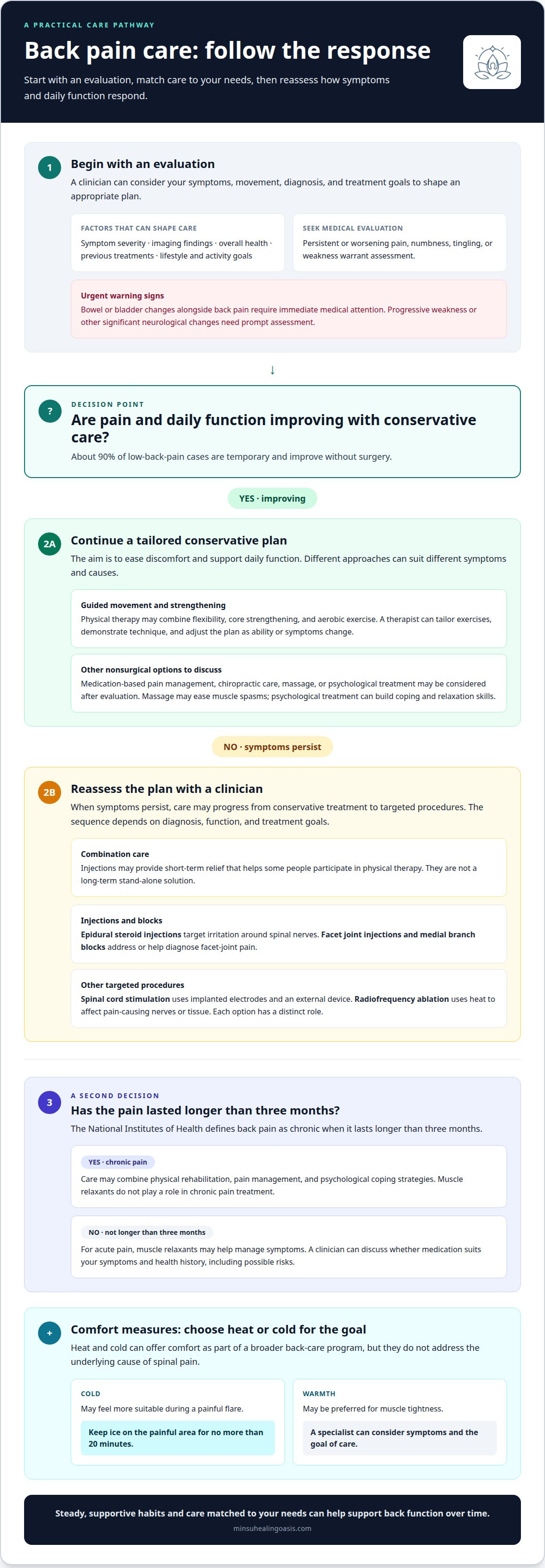
Back problems often respond best to steady, supportive habits rather than waiting until pain demands attention. Non-invasive back pain solutions can include guided therapy, movement, heat or cold for comfort, and everyday adjustments to ease discomfort and support function.
If you hope to prevent future flare-ups, look beyond short-term relief. The way you move, strengthen the muscles that support your trunk, and respond to pain can all affect how your back feels over time.
This article explains how physical therapy and core strengthening may help, when heat or cold can offer comfort, and which other approaches may support recovery. You’ll also learn how gentle activity and practical lifestyle changes can contribute to a sustainable path toward comfort, confidence, and well-being.
Table of Contents
Physical therapy and core strengthening
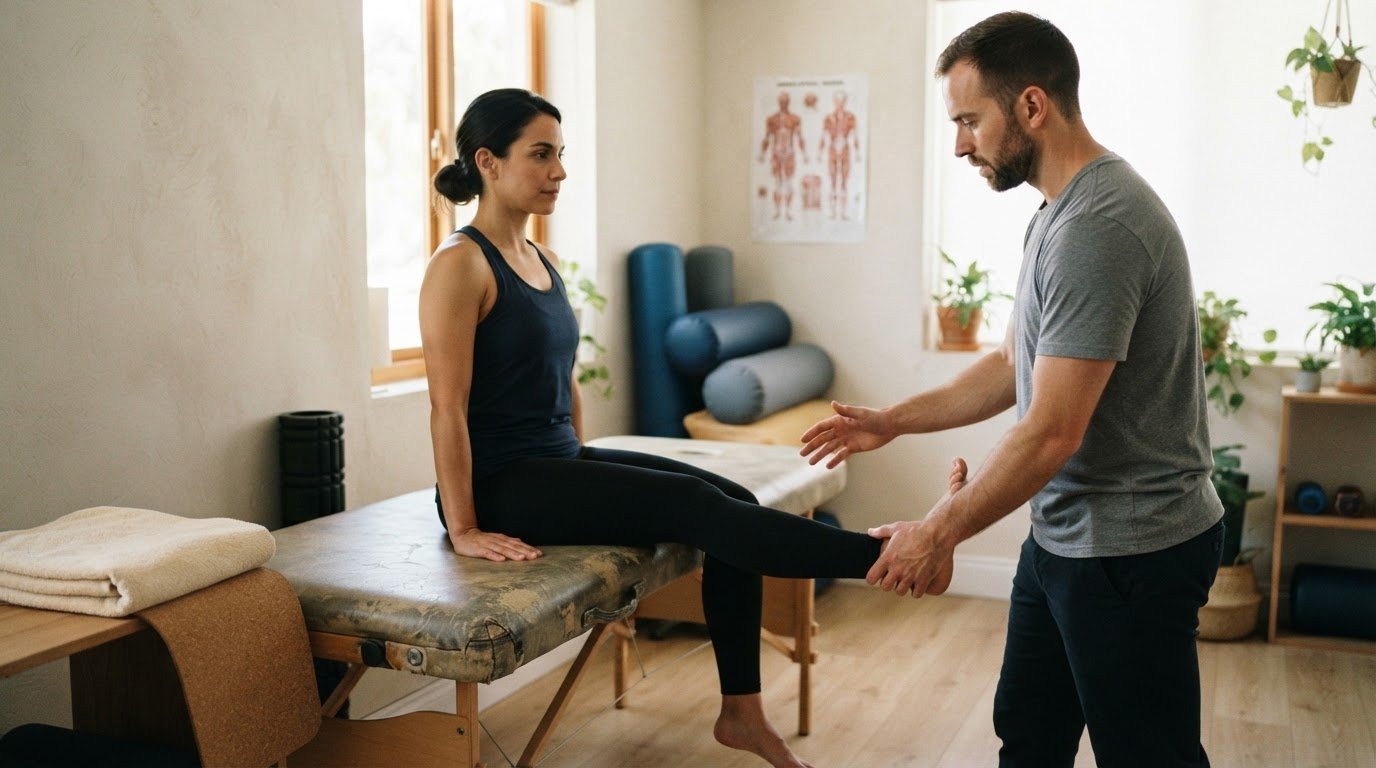
Physical therapy can help ease pain, improve flexibility, and strengthen muscles that support the spine. A therapist can tailor care to your movement, symptoms, and daily needs.
Professionally guided core strengthening exercises for back pain
Core strengthening builds support around the trunk, helping patients improve movement and manage spinal pain. Physical therapy may combine strength work with flexibility and aerobic exercise, tailored to the person’s needs. A therapist can observe how you move, select suitable exercises, and adjust them as your ability changes. This guidance makes the plan purposeful rather than a generic routine. An inelastic corset-style brace worn daily alongside therapy exercises may speed healing and reduce lower back pain.
At-home physical therapy exercises prescribed and guided by a physical therapist
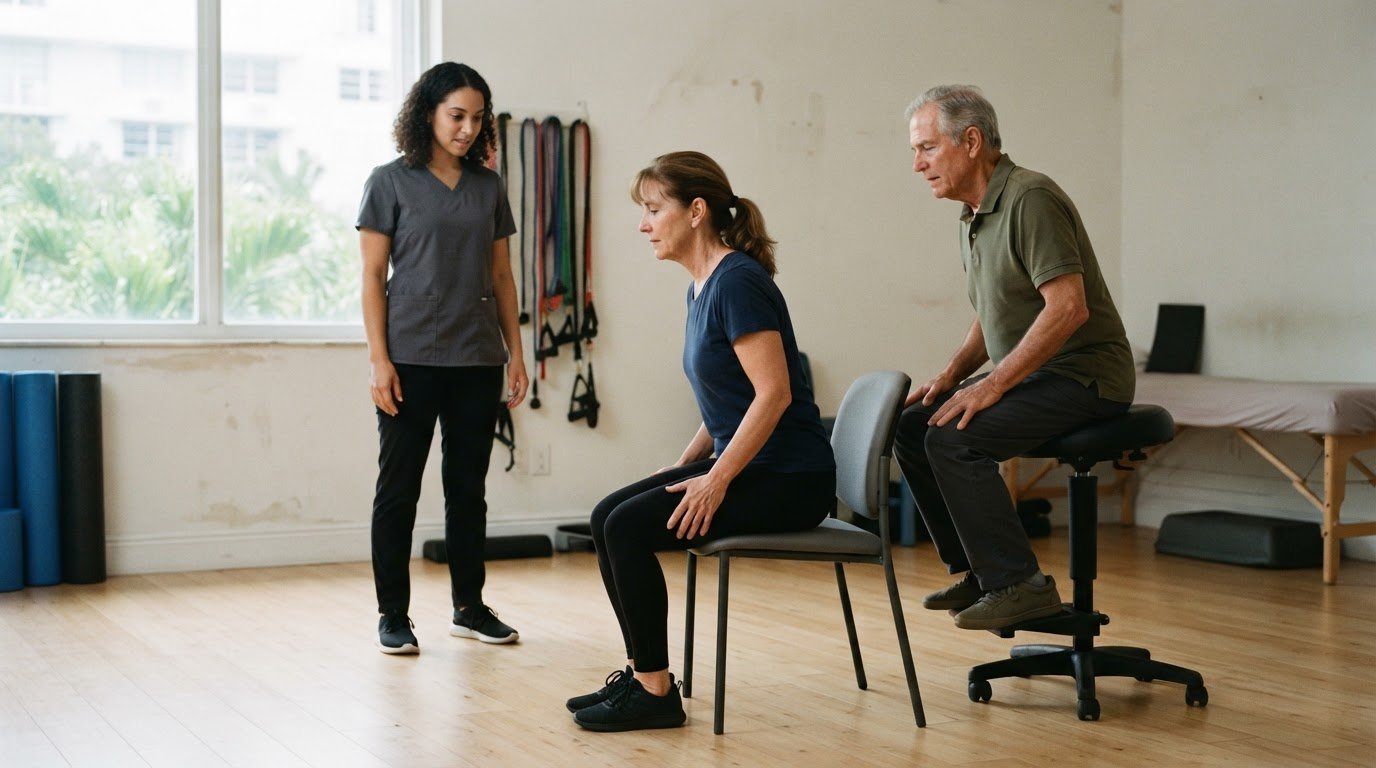
Home exercises extend physical therapy between appointments, letting you continue rehabilitation in familiar surroundings. A physical therapist can tailor movements to your symptoms, mobility, and goals, demonstrate proper technique, and explain what each exercise is intended to support. For example, a plan may focus on flexibility before gradually building strength. Your therapist can adjust the exercises if they become easier or aggravate symptoms, keeping your routine aligned with your treatment plan.
Physical therapy for spine pain
Physical therapy treats spine pain through guided movement and rehabilitation, often alongside pain-relieving care. The aim is to ease discomfort and improve daily function, not simply to avoid surgical treatment. A clinician can consider your symptoms, movement, and previous care when shaping the approach. Chiropractic spinal manipulation is another nonsurgical option that may improve low-back pain and functionality. It is one possible part of care, rather than a guaranteed result or a substitute for an appropriate evaluation.
The cost of physical therapy, massage, and acupuncture in the United States varies with location, insurance coverage, care setting, and treatment plan. There is no single cost that applies to everyone.
A clinician can discuss whether over-the-counter medicine suits your symptoms and health history, including possible risks. They can also explain how medication may relate to other care, such as steroid treatment, stimulation, or exercise-based therapy.
Physical therapy and spinal manipulation may help some people manage back pain and improve function. A clinician can discuss these options in light of your symptoms and goals.
Professional care can coordinate movement-based therapy with pain-relieving treatment and help identify when medical evaluation is needed. For those navigating long-term discomfort, specialized physician evaluations from clinics like sapphireclinics.se can provide comprehensive reviews to guide targeted care. Seek an evaluation for persistent or worsening pain, numbness, tingling, or weakness.
Changes in bowel or bladder function alongside back pain require immediate medical attention. Progressive weakness or other significant neurological changes also need prompt assessment.
Care options between conservative treatment and open surgery
Back care may progress from conservative treatments to targeted procedures when symptoms persist. The right sequence depends on the diagnosis, function, and treatment goals.
Conditions suited to non-surgical care
Conservative care uses nonsurgical treatments to reduce pain and help restore daily function. About 90% of low-back-pain cases are temporary and improve without surgery. Physical therapy, pain management with medication, and chiropractic care are options to consider after evaluation. Massage may ease muscle spasms, while psychological treatment can build coping and relaxation skills. These approaches can suit different causes and symptoms, rather than one treatment fitting everyone.
Choosing a conservative treatment
Treatment should match the person’s diagnosis and circumstances. Clinicians consider symptom severity, imaging findings, overall health, previous treatments, and lifestyle or activity goals. For example, someone whose pain limits movement may need a plan that helps them take part in rehabilitation. After evaluation, conservative care may include physical therapy, medication-based pain management, and chiropractic care. These options can shape a plan that addresses function as well as discomfort.
Combining treatment approaches
Combination treatment pairs methods so pain relief can support active rehabilitation. Injections may ease pain in the short term, allowing some people to participate in physical therapy. Epidural steroid injections target irritation around spinal nerves; facet joint injections and medial branch blocks address or help diagnose facet-joint pain. These are procedures, not non-invasive care. Spinal cord stimulation uses implanted electrodes and an external device, while radiofrequency ablation uses heat to affect pain-causing nerves or tissue. Each option has a distinct role.
Treatment for acute and chronic pain
Acute and chronic back pain call for different treatment considerations. Muscle relaxants may help manage acute pain, but they don’t play a role in chronic pain treatment. According to the National Institutes of Health, back pain is chronic when it lasts longer than three months. For persistent pain, care may combine physical rehabilitation with pain management and psychological coping strategies. Injections can offer short-term relief alongside other treatments, rather than acting as a long-term stand-alone solution.
Hot and cold therapy
Heat and cold are comfort measures that may be included in a back-care program alongside movement therapy or medication. They offer different sensations, so a specialist considers the person’s symptoms and the goal of care. For example, cold may feel more suitable during a painful flare, while warmth may be preferred for muscle tightness. Ice should not remain on the painful area for more than 20 minutes. That limit helps define how cold is incorporated into care.
Heat and cold can provide comfort, but they do not address the underlying cause of spinal pain. A clinician can consider whether stiffness, muscle spasm, or sensitivity should shape the plan, and pair a comfort measure with rehabilitation. If movement becomes easier, you may be better able to take part in a broader program. Heat or cold alone does not replace evaluation when pain persists or worsens, or when symptoms affect daily function.
Massage therapy is another non-surgical option. Massage applied to the lower back may ease muscle spasms that contribute to pain. A practitioner may focus on the affected area while the wider care plan addresses movement and function. For example, mobile wellness providers like The Outcall Spa show how convenient at-home treatments can complement rehabilitation rather than serve as the only treatment. Medication and other approaches may also be considered according to symptoms and clinical needs.
Laser therapy and red light therapy both involve light, but they are not interchangeable terms. Laser-based treatment uses concentrated light, while red light therapy uses red or near-infrared wavelengths. The available facts here don’t establish a specific back-pain outcome for laser therapy, so it shouldn’t be presented as a proven substitute for physical therapy or other care. Red light therapy may be considered as one modality within a broader professional plan, with the treatment choice guided by the person’s needs.
Heat, cold, massage, and light therapy do not replace assessment of serious symptoms. A coordinated approach can place these options alongside care focused on comfort and function, while considering whether further medical attention is needed. Even when avoiding spine surgery is a priority, treatment should address the cause of pain and support safe movement.
Back pain prevention and lifestyle changes
Prevention is less about avoiding every movement and more about maintaining regular, comfortable activity. For many people with back pain, staying active rather than taking time off can be helpful. Gentle, low-impact activities such as walking, yoga, or swimming may suit people with degenerative disc disease. The right activity depends on your symptoms and ability, so a clinician can help adapt movement to your condition and goals.
Consistency can matter more than intensity. A manageable routine, such as regular walking, can help maintain movement without making exercise feel like an all-or-nothing effort. If pain increases or new symptoms develop, the plan may need to change. Prolonged rest is usually counterproductive, although a short period of reduced activity may be recommended during an acute flare-up.
Chronic pain can involve biological, psychological, and emotional factors, so prevention and relief may call for more than muscle care alone. Meditation may reduce the perception of pain and help with depression, anxiety, and sleep problems that often occur with chronic pain. It does not replace physical care, but can complement a broader approach to well-being. A clinician can help integrate supportive practices with movement and other treatments.
Minimally invasive procedures and electrical stimulation are treatment options, not everyday prevention habits. They address pain through clinical methods, while lifestyle changes focus on sustained activity and coping. Distinguishing those roles can help clarify what kind of support fits your needs. If back symptoms are limiting movement or disrupting sleep, professional guidance can help shape a safe, coordinated plan. Explore professional back-care support to discuss movement and therapeutic options.
Minsu’s Healing Oasis
Minsu’s Healing Oasis offers Physical and Manual Therapies for people seeking professional support with back discomfort, movement, and function. If pain keeps returning or makes daily activities harder, guided care can help you explore an approach suited to your needs.
Minsu’s Healing Oasis also offers Energy Healing and Alternative Therapies, including Quantum Healing Technique. These approaches offer different ways to support well-being, but do not replace medical evaluation when symptoms are severe, worsening, or accompanied by concerning changes.
Choosing support can be a thoughtful step toward understanding your options and moving with greater ease. Book a Free Consultation with Minsu’s Healing Oasis to discuss an approach that may fit your needs.
Choose a Steady Next Step
Start by noticing what your back needs today, then choose support that feels practical and sustainable. Rather than searching for one perfect answer, consider which changes help you move more comfortably and which symptoms call for medical attention. This thoughtful approach can make non-invasive back pain solutions part of a wider commitment to daily function and steady care.
Your experience is personal, and the path forward can reflect your movement, concerns, and goals. Take time to describe what has been difficult and what you hope to regain. Clear communication can make the next conversation more focused, helping you explore support with a grounded sense of what matters to you.
Contact Minsu’s Healing Oasis today to discuss a next step that feels right for your needs. You deserve care that meets you with patience, attention, and respect.
Frequently Asked Questions
How can a physical therapist help prevent back problems in the future?
A physical therapist can create an individualized plan to develop core strength, flexibility, and aerobic capacity. For example, if sitting for long periods brings on discomfort, a therapist can assess your movement and tailor exercises to your function and goals. As your ability changes, the exercise plan can be adjusted to support regular activity and help manage recurring symptoms.
What does “conservative care” mean?
Conservative care means treating back pain without open surgery, using approaches such as physical therapy, pain-management medication, or chiropractic care. The plan depends on the diagnosis, symptoms, overall health, and daily goals. For instance, someone whose pain limits movement may begin with care focused on function. Injections and other procedures are separate options that clinicians may consider for specific needs.
Can physical therapy and exercise relieve back pain?
Yes. Physical therapy can help ease pain, improve flexibility, and strengthen muscles that support the back. A therapist can match exercises to your symptoms and current ability, then adapt the plan as your movement changes. For example, someone who finds a movement difficult may need a different exercise or progression. This makes rehabilitation more purposeful than following a general exercise routine.
Do heat, ice, massage, or acupuncture help back pain?
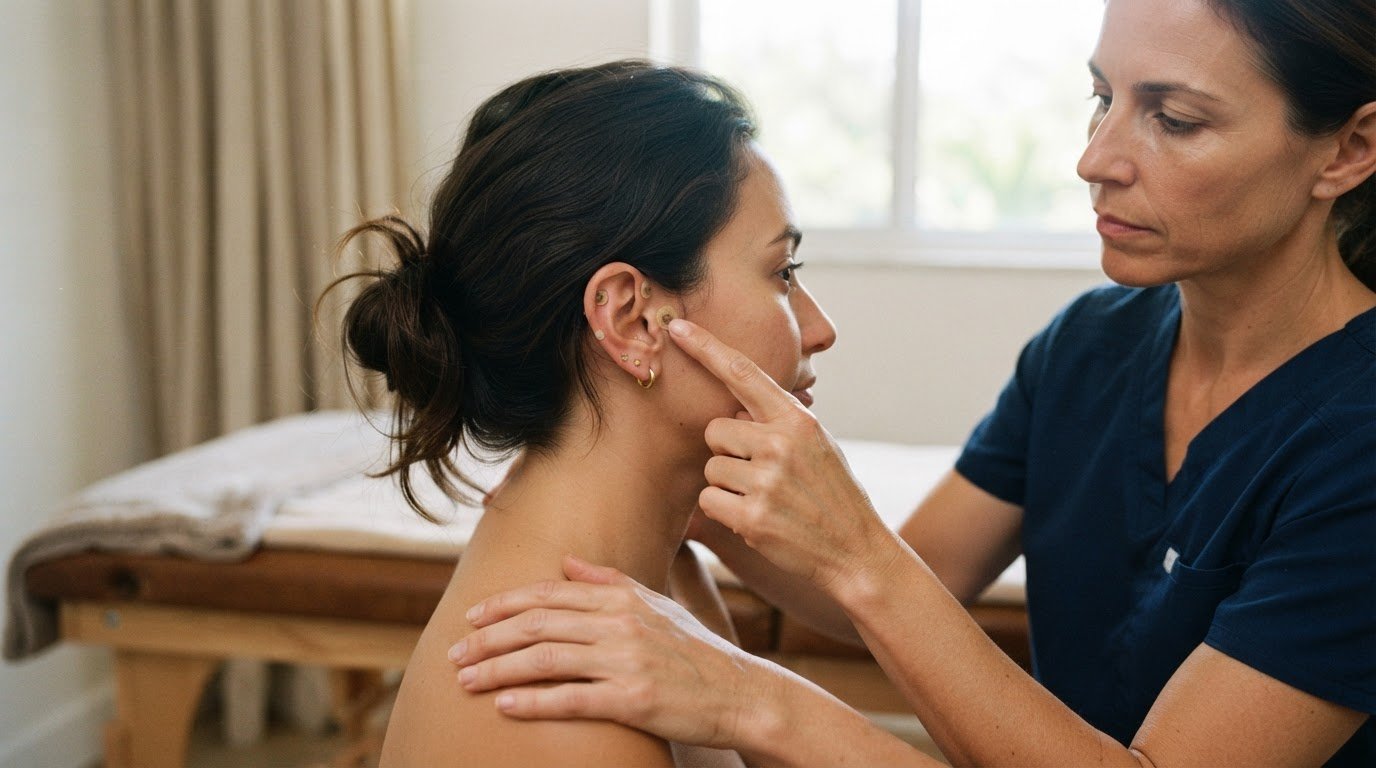
These options may help in different ways. Heat or cold can be used as comfort measures, while lower-back massage may relieve muscle spasms contributing to pain. Acupuncture has provided significant pain relief for some people with back pain. The most suitable approach depends on the person and the care plan. Ice should not be left on a painful area for more than 20 minutes.
What evidence-based guidelines recommend non-invasive back pain treatment?
After evaluation, conservative care is the first approach to consider, including physical therapy, medication-based pain management, and chiropractic care. The choice should reflect the diagnosis, symptom severity, imaging findings, overall health, previous treatments, and activity goals.
Comments