




Holistic Recovery from Injury: A Whole-Person Guide
What if healing doesn’t require choosing between clinical care and a more personal, whole-body approach? If pain, movement, stress, and everyday habits feel like separate parts of your recovery, it’s understandable to wonder which steps are right for you, especially when progress doesn’t follow a predictable timeline. Holistic recovery from injury brings these pieces into one thoughtful picture, with clinical rehabilitation at its center.
Physiotherapy and manual therapy can help shape a recovery plan around your injury, abilities, and goals. Supportive practices, such as appropriate movement, rest, and attention to stress, can sit alongside that clinical care. Complementary therapies are additional wellness options, not replacements for medical assessment or rehabilitation. This guide explains how these approaches differ, what details to bring to a recovery conversation, and how to choose practical next steps that reflect your needs and changing progress.
Table of Contents
What Holistic Recovery from Injury Means in Practice
Pain can make familiar tasks feel uncertain. You may want to return to work, enjoy a walk, or move through the day with more confidence, while wondering which kinds of support are appropriate. That uncertainty deserves care, not pressure to follow a one-size-fits-all plan.
Holistic recovery from injury is individualized rehabilitation that considers physical needs and everyday life, while keeping appropriate medical assessment and clinical care at its center. An injury is physical, but living with it can also affect routines, rest, mood, and independence. Supportive wellness practices can complement rehabilitation when appropriate; they don’t replace diagnosis, prescribed care, or professional guidance.
What does whole-person injury recovery include?
Recovery can involve movement and symptoms as well as sleep, daily function, and emotional well-being. These details help a qualified professional understand what you find difficult and what matters to you. They don’t identify an injury or determine which treatment is suitable on their own. For a broader perspective on mind-body connections, explore somatic psychology and holistic healing.
For example, getting dressed might feel manageable while carrying groceries feels difficult. Sharing that specific difference can make a conversation about daily goals more useful. It doesn’t mean the same activity or approach is right for someone else, or that any particular wellness practice will resolve the injury.
Why can recovery feel different for each person?
Injury type, health history, personal goals, and daily demands all help shape what support may be appropriate. Returning to a physically demanding job can involve different functional goals from managing household tasks comfortably. A treating professional can assess your situation and guide decisions about rehabilitation and activity.
Progress may fluctuate. One difficult day doesn’t necessarily tell the whole story, and improvement can’t be promised on a fixed schedule. Notice changes in symptoms and function, and share concerns with a qualified healthcare professional, particularly when a change worries you. This gives your care team useful information to review and adjust the plan, rather than comparing your progress with someone else’s.
How Injury Recovery Progresses: Assessment, Movement, and Adaptation
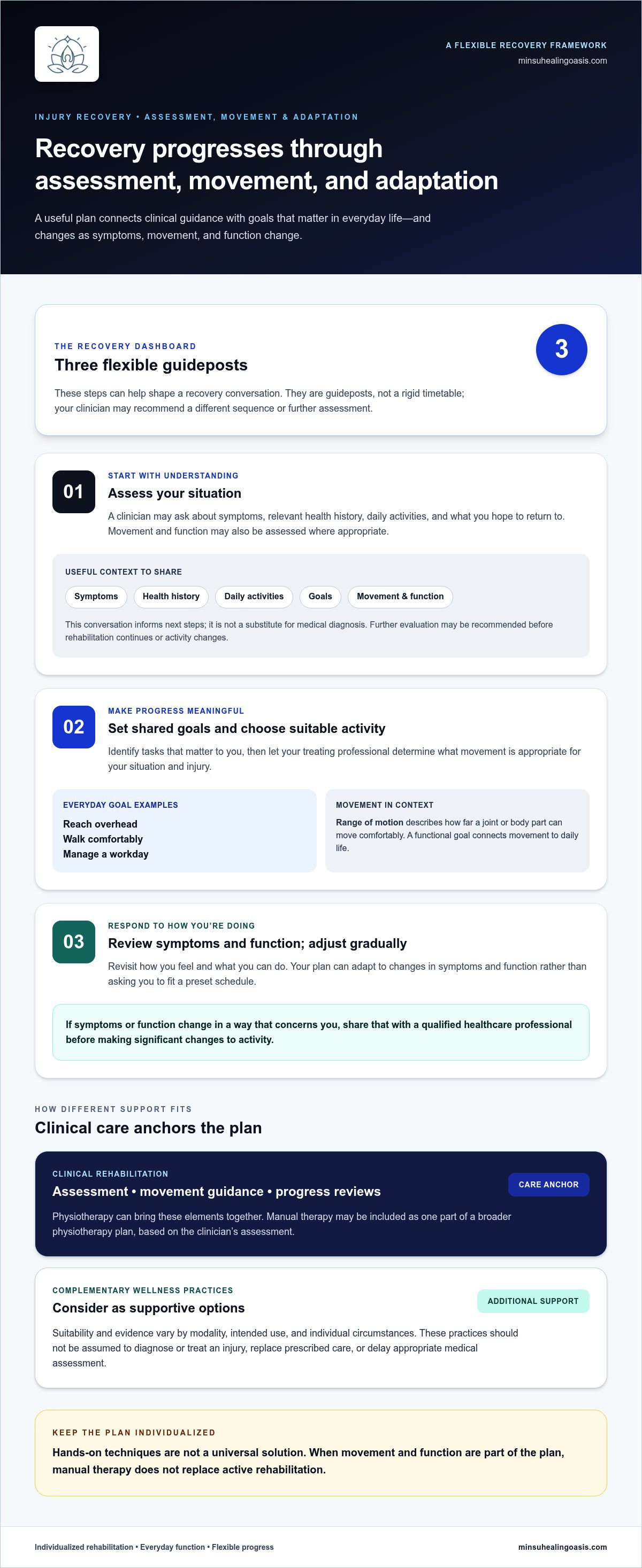
Recovery is not a fixed sequence. A useful plan starts with understanding the injury and your needs, then adapts as symptoms, movement, and everyday function change. In holistic recovery from injury, decisions should connect clinical guidance with goals that matter in real life.
What happens during an initial recovery assessment?
A clinician may ask about your symptoms, relevant health history, daily activities, and what you hope to return to. Where appropriate, they may also assess movement and function. This conversation helps inform next steps; it isn’t a substitute for medical diagnosis. If further evaluation is needed, a healthcare professional may recommend it before rehabilitation continues or activity changes.
From there, the process can move through several flexible stages:
Set shared goals: Identify meaningful tasks, such as reaching overhead, walking comfortably, or managing a workday.
Choose suitable activity: Your treating professional determines what movement is appropriate for you and your injury.
Review and adjust: Revisit symptoms and function, then adapt the plan gradually in response to how you’re doing.
These are guideposts, not a rigid timetable. A clinician may recommend a different sequence or further assessment based on individual findings.
How can movement and manual therapy fit into recovery?
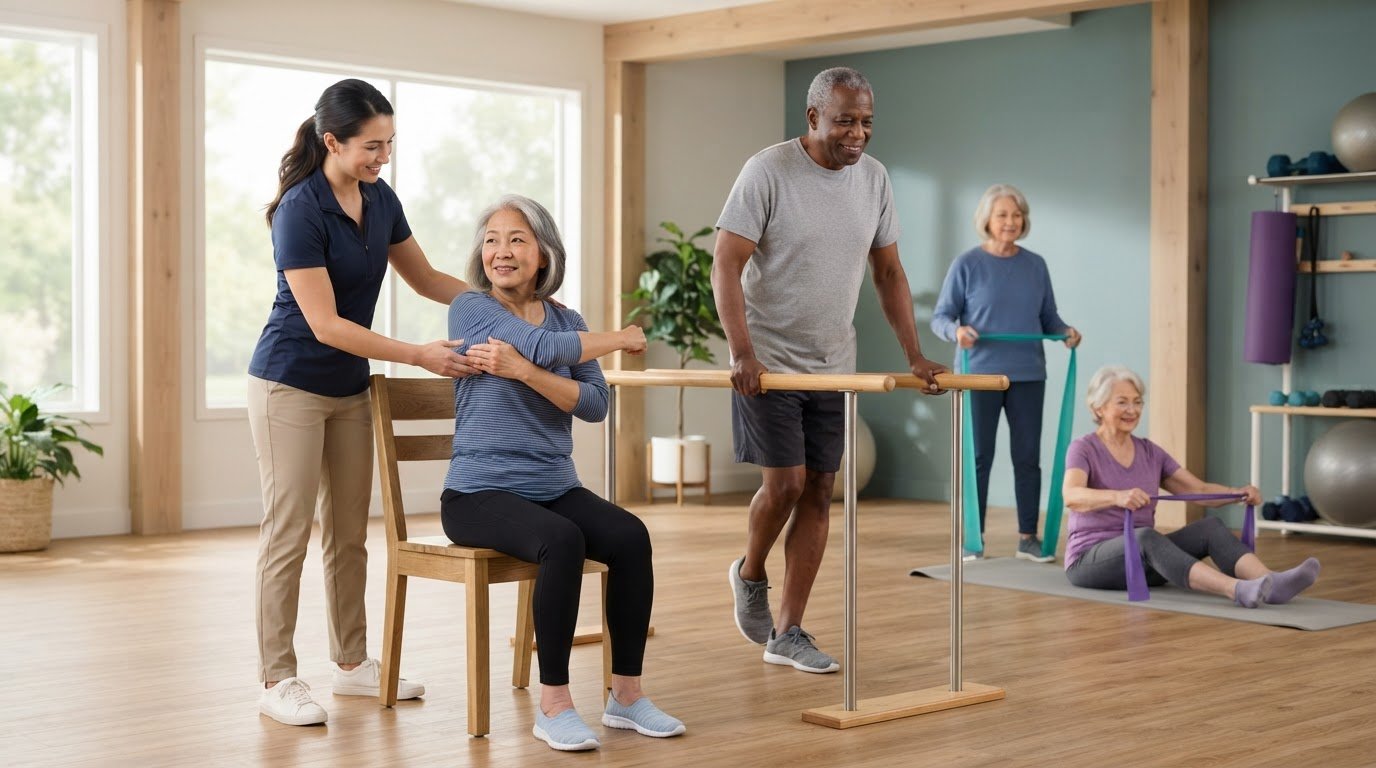
Movement guidance can help you work toward functional goals through activities selected for your situation. Range of motion means how far a joint or body part can move comfortably in different directions. A functional goal connects that movement to daily life, such as reaching a shelf or turning comfortably while doing a task.
Physiotherapy can bring assessment, movement guidance, and progress reviews together. Manual therapy may be included as one part of a broader physiotherapy plan, based on the clinician’s assessment. Hands-on techniques aren’t a universal solution, and they don’t replace active rehabilitation when movement and function are part of the plan.
A recovery plan should respond to your progress, rather than asking you to fit a preset schedule. If symptoms or function change in a way that concerns you, share that with a qualified healthcare professional before making significant changes to activity. For a conversation centered on individualized physiotherapy and manual therapy, explore physiotherapy and manual therapy.
Holistic Injury Care: What Complementary Therapies Can, and Cannot, Do
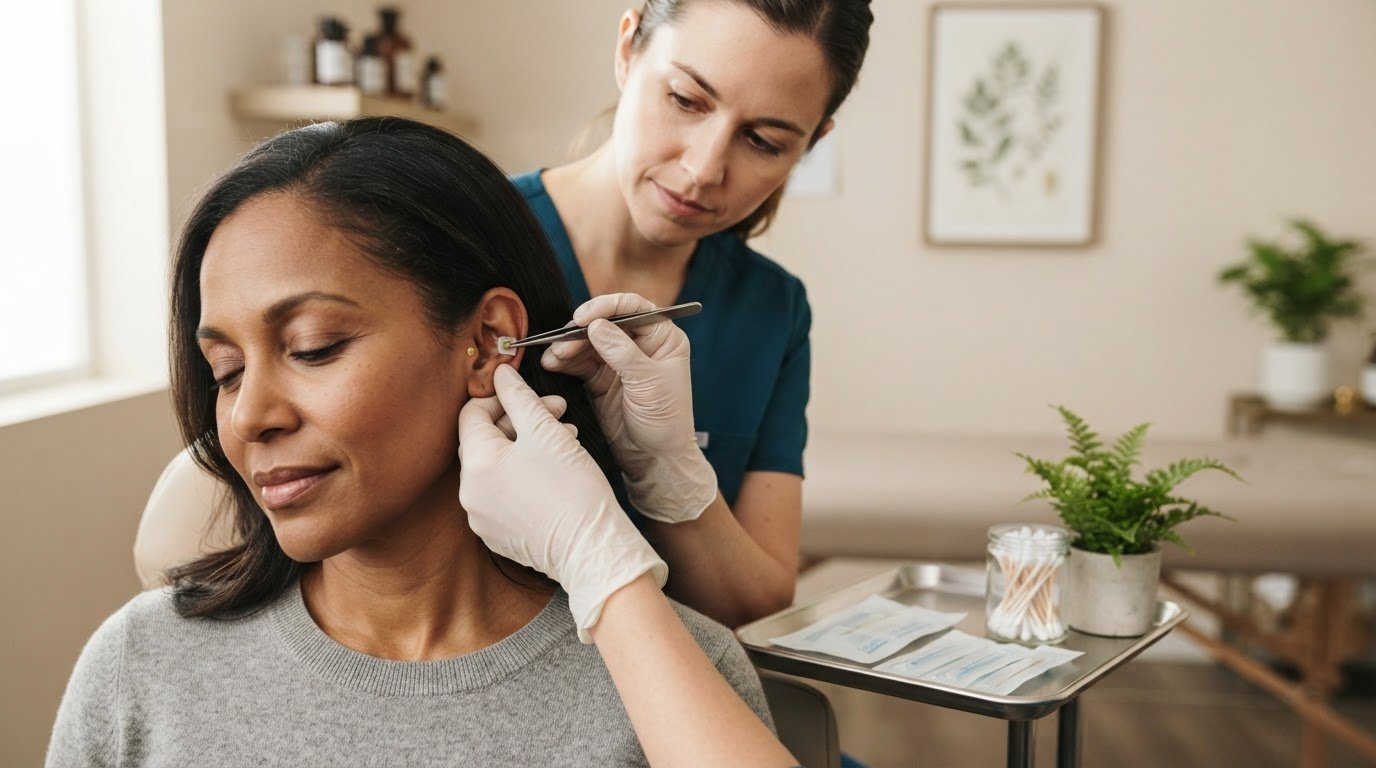
Does whole-person care mean replacing rehabilitation with alternative therapies? No. Clinical rehabilitation and complementary wellness practices have different roles. Assessment and physiotherapy can guide injury-related decisions and functional goals. Complementary modalities can be considered as supportive options within a broader plan, but they shouldn’t be assumed to diagnose or treat an injury.
Evidence and suitability vary by modality, intended use, and individual circumstances. A practice that feels supportive to one person may not suit another. Don’t let a complementary approach delay appropriate medical assessment or prescribed care. Thoughtful holistic recovery from injury keeps clinical guidance central while making room for supportive care when it fits.
Where may myofascial release or craniosacral therapy fit?
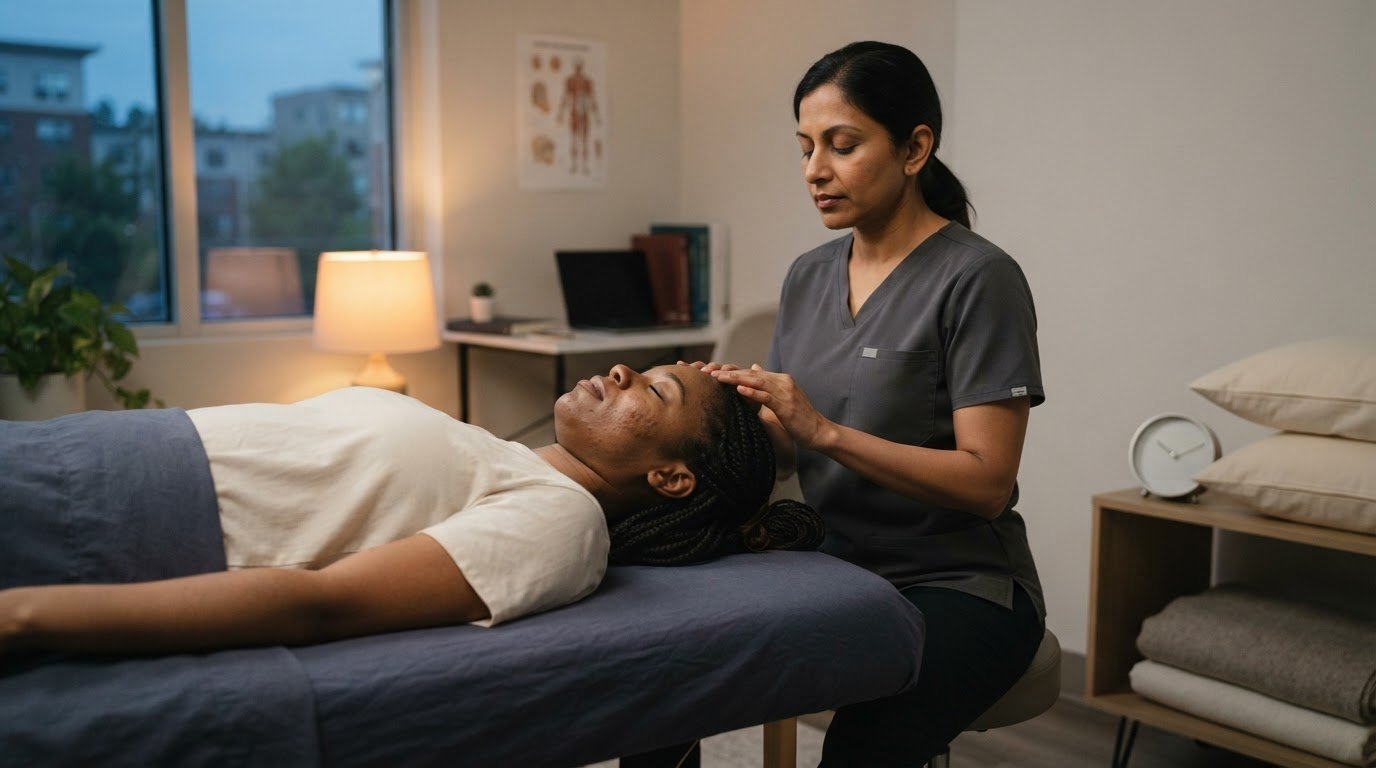
Myofascial release and craniosacral therapy are manual approaches that can be considered as part of an individualized plan. Their role should be discussed in relation to your needs and your healthcare professional’s guidance. They shouldn’t be described as correcting alignment, repairing tissue, or treating a particular diagnosis. Nor do they replace assessment or active rehabilitation when those are needed.
How should readers think about red light and energy-based modalities?
Red light therapy and energy-based sessions are distinct from injury assessment and clinical rehabilitation. They can be explored as wellness supports, but shouldn’t be represented as proven treatments for an injury or substitutes for prescribed care. Evidence can differ between modalities and uses, so don’t assume claims about one approach apply to another. Read this guide to red light therapy for more context about the modality.
Before adding a complementary practice, discuss its suitability with an appropriate healthcare professional, especially if you’re receiving care or have concerns about your symptoms. Useful questions include:
How would this option fit alongside my current rehabilitation plan?
Is it intended as a wellness support, or is it being proposed as injury treatment?
Could it affect or delay any assessment or care I need?
A grounded whole-person plan doesn’t ask you to choose between clinical care and personal well-being. It keeps rehabilitation at the center, considers supportive options carefully, and makes room for your preferences without promising a particular result.
Build a Safer Injury Recovery Plan Around Your Everyday Life
A useful recovery plan should make sense beyond the clinic. Your routines, responsibilities, and priorities matter, whether your goal is managing household tasks, returning to work, or feeling steadier during everyday movement. Use this checklist to prepare for a conversation with your treating professional:
Goals: What activity would you most like to manage more comfortably?
Daily function: Which tasks feel easier, harder, or different than before?
Symptoms: What changes have you noticed, and when do they tend to occur?
Questions: What would you like to understand about activity, pacing, or adjusting your plan?
Bring these observations to your clinician. They’re not a way to diagnose yourself. They can make the conversation more specific and support decisions based on your individual situation.
What should you track as recovery unfolds?
Brief notes can help you spot patterns in comfort, movement, sleep, and daily activities. For example, record when a routine task feels manageable and when it becomes more difficult, along with any changes to your schedule. Look at patterns over time instead of treating one difficult day as the whole story. Share changes that concern you with a qualified healthcare professional.
Seek prompt medical advice if pain becomes newly severe or continues to worsen, if you develop new numbness or weakness, or if you suddenly lose function. Sudden, severe symptoms call for urgent medical care. Follow a qualified professional’s advice about what to do next.
How can you make a recovery plan realistic?
Start with activities that matter to you and describe them clearly to your treating professional. Ask how to adapt them safely, what changes to watch for, and when to check in if an activity feels harder. Pacing means adjusting effort to your individual needs. It doesn’t mean pushing through concerning symptoms or following a universal exercise routine.
As your needs change, clinician-guided adjustments can keep goals relevant to everyday life. Longer-term movement habits can also be part of a broader wellness routine, shaped around your needs and any clinical guidance you’re following.
Holistic recovery from injury is personal, so your notes and questions can help keep the plan grounded in what you’re experiencing. If you’re ready to explore movement support, learn about wellness and fitness classes at Minsu’s Healing Oasis.
A Supportive Path Forward with Minsu’s Healing Oasis
Choosing a next step can feel easier when the conversation begins with what you want to do in daily life. At Minsu’s Healing Oasis, physiotherapy and manual therapy provide a starting point for an individualized discussion about movement, function, and recovery goals. The focus is on what matters to you and how care can reflect your needs, not on promising a particular result.
What can an integrative recovery experience include?
Physiotherapy can frame a function-focused recovery conversation, while manual therapy can be considered as part of the broader plan. Minsu’s Healing Oasis offers myofascial release and craniosacral therapy as additional manual approaches. Their role depends on individual circumstances. They aren’t universal injury treatments and don’t replace appropriate medical assessment or clinical rehabilitation.
Whole-person care makes room for physical needs alongside the wider experience of recovery. That can include discussing how movement concerns affect routines or well-being, while keeping injury-related decisions grounded in clinical care. Complementary modalities, including red light therapy and energy healing, are options to consider thoughtfully, not guarantees of healing or substitutes for prescribed treatment.
Clinical rehabilitation should lead the recovery plan; supportive wellness care can complement it when it fits your needs. This balance lets you bring your goals and questions into the conversation while respecting the distinct role of each approach.
What is a gentle next step if you are recovering from injury?
Begin with a simple reflection: Which everyday activity would you most like to approach with greater ease? Note what feels difficult, what has changed, and what you’d like to ask about movement or function. Sharing those details can help shape a personalized conversation about physiotherapy and relevant supportive wellness options.
You don’t need to have every answer before you begin. A thoughtful discussion can help clarify which questions belong in clinical rehabilitation and whether complementary approaches make sense alongside it. If you’re receiving medical care, keep your healthcare professional informed about any wellness modalities you’re considering.
If you’re ready to explore an individualized recovery conversation, consider physiotherapy and manual therapy at Minsu’s Healing Oasis. Bring your questions, priorities, and the everyday activities you hope to work toward. Holistic recovery from injury can honor the whole person while keeping clinical guidance at its center.
Take Your Next Recovery Step with Care
Healing doesn’t have to follow someone else’s timeline or look the same for every person. Holistic recovery from injury begins with appropriate clinical assessment and individualized rehabilitation, then makes room for daily needs, personal goals, and supportive wellness practices where suitable. Progress can be uneven, so sharing changes in symptoms or function with a qualified healthcare professional helps keep decisions grounded in your circumstances.
At Minsu’s Healing Oasis, professional physiotherapy and manual therapy can anchor a conversation about movement and everyday function. Myofascial release, craniosacral therapy, and red light therapy are available as supportive wellness options, not replacements for medical assessment or prescribed care, and without a promised outcome.
Start with one meaningful goal and the questions you’d like answered. Explore physiotherapy and manual therapy at Minsu’s Healing Oasis to take a thoughtful next step toward whole-person recovery.
Frequently Asked Questions
Is holistic recovery from injury a replacement for medical care?
No. Holistic recovery from injury doesn’t replace appropriate medical assessment, diagnosis, or rehabilitation. It means considering movement, daily function, and well-being alongside clinical care. Complementary practices can be considered as supportive options, but their suitability and role vary. If symptoms are severe, worsening, or concerning, seek guidance from a qualified healthcare professional promptly rather than relying on a wellness practice or self-directed plan.
Can manual therapy help during injury recovery?
Manual therapy can be included in a physiotherapy plan when a qualified professional considers it appropriate for your needs and goals. It isn’t a universal solution or a substitute for injury assessment and active rehabilitation. A clinician can explain how hands-on care fits alongside movement guidance and other parts of an individualized plan. Share concerns about symptoms or function so the approach can reflect your situation.
How long does holistic injury recovery take?
There’s no single recovery timeline that applies to every person or injury. The nature of the injury, overall health, daily demands, and response to care can all shape the process. A qualified professional can help set realistic goals and review progress over time. Be cautious of guarantees or claims that a particular therapy will make recovery happen at a specific speed. Progress may vary, and plans may need adjustment.
What is the difference between rehabilitation and complementary therapy?
Rehabilitation focuses on assessing and supporting movement, function, and participation in daily activities. Complementary therapies are additional approaches that may support broader wellness, depending on the person’s needs and the available evidence. They don’t automatically treat an injury or replace clinical care. A well-considered plan makes each approach’s purpose clear, keeps appropriate assessment central, and helps you understand how any supportive option relates to your rehabilitation.
Does red light therapy heal an injury?
Don’t assume red light therapy heals a particular injury or replaces established medical care. It’s offered as a wellness modality, and its suitability and intended use may vary. Discuss it with an appropriate healthcare professional, especially if you have a diagnosed condition or changing symptoms. Keep medical guidance and rehabilitation central to injury-related decisions, and don’t delay assessment or prescribed care to try a wellness modality.
When should I seek medical advice for an injury?
Seek qualified medical advice if an injury is severe, symptoms are worsening, daily function or movement is significantly affected, or you’re unsure what activity is safe. Sudden, severe symptoms or a possible emergency require urgent medical attention. Don’t rely on a wellness session or self-directed plan to assess an injury. A healthcare professional can consider your situation and help determine appropriate next steps.
Comments